A Historic Day at Wenchang
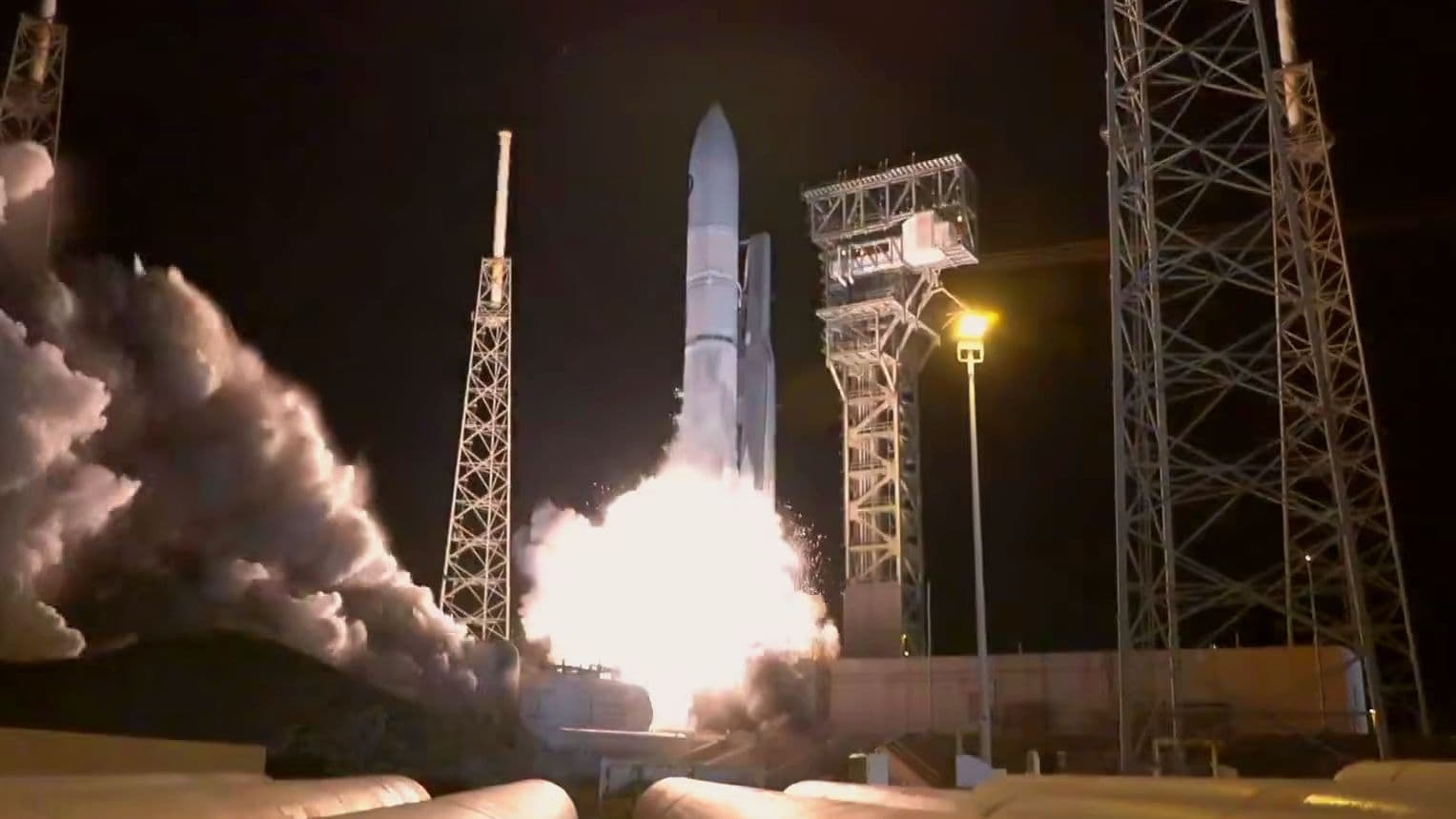
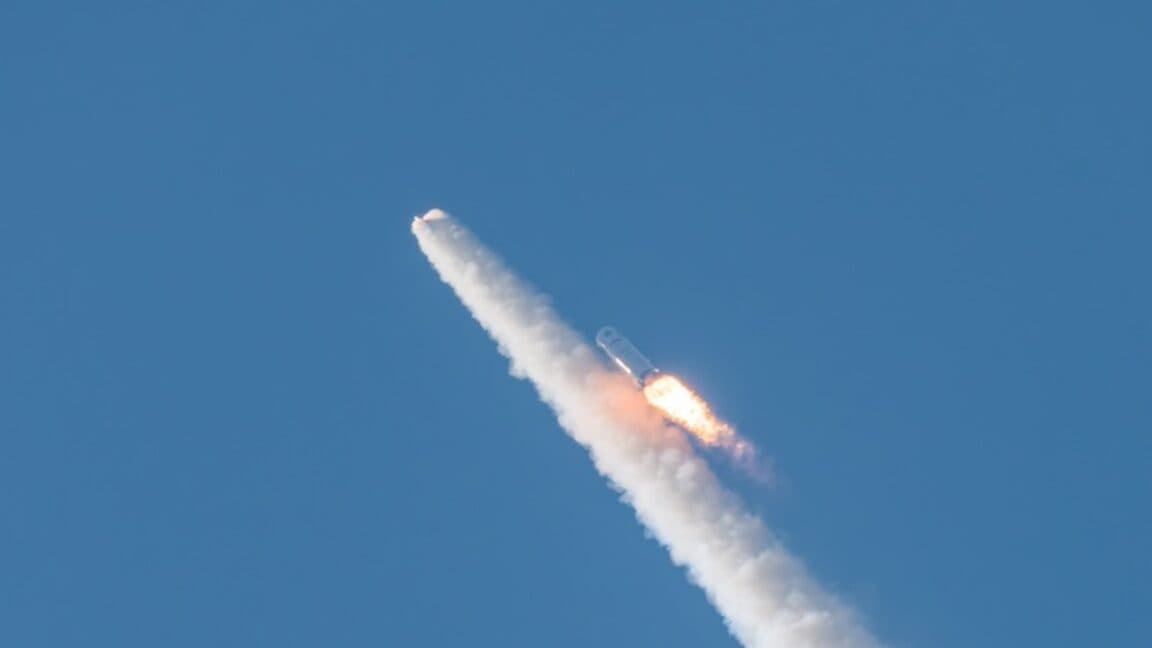
China's ambitious push to put astronauts on the Moon by 2030 just hit a major milestone. On Tuesday, engineers at the Wenchang Space Launch Site on Hainan Island simultaneously tested a subscale version of the Long March 10 rocket and the Mengzhou crew capsule's emergency abort system in a single, tightly choreographed mission that the China Manned Space Agency (CMSA) described as a significant breakthrough in the nation's manned lunar exploration program.
The dual demonstration packed multiple firsts into a single flight: the Long March 10's inaugural ignition in its initial prototype configuration, China's first maximum-dynamic-pressure abort test of a crewed spacecraft, the country's first at-sea splashdown recovery of both a crew capsule and a rocket first stage, and the maiden launch from Wenchang's newly constructed pad. Few national space programs have attempted to validate so many untested systems on a single outing.
Inside the Long March 10
The Long March 10 is the heavy-lift vehicle that will carry Chinese astronauts beyond low Earth orbit. In its full three-stage configuration, the rocket stretches roughly 90 meters tall, weighs approximately 2,187 tonnes at liftoff, and is powered by a formidable cluster of 21 YF-100K engines distributed across its core stage and two side boosters. Each booster and the core share a five-meter diameter, giving the vehicle a broad, muscular silhouette reminiscent of heavy-lift launchers worldwide.
According to official specifications, the standard Long March 10 will be capable of hoisting 70 tonnes into low Earth orbit and sending 27 tonnes on a trans-lunar injection trajectory, enough to deliver the Mengzhou crew capsule and the Lanyue lunar lander toward the Moon on separate flights that would rendezvous in lunar orbit.
Tuesday's mission used a subscale prototype rather than the full vehicle, but it still provided engineers with critical flight data on ascent performance and, importantly, on a novel recovery technique. The first-stage body executed a controlled splashdown near a waiting recovery vessel, simulating a net-based recovery mode that China plans to refine for operational reusability.
Mengzhou Proves Its Escape Credentials
While the booster was proving its flight chops, the Mengzhou spacecraft was put through the most punishing scenario mission planners could devise: an abort at maximum dynamic pressure, the moment during ascent when aerodynamic forces peak and the capsule faces the greatest structural stress.
Upon receiving the abort command from the rocket, the Mengzhou successfully separated, fired its escape motors, and steered its return capsule to a controlled ocean splashdown. Maritime search-and-rescue teams then completed what CMSA confirmed was China's first at-sea recovery operation involving a crewed spacecraft, pulling the capsule from the water and verifying its structural integrity.
The Mengzhou capsule is designed primarily for lunar missions but will also support crew rotation flights to the Tiangong space station in low Earth orbit, giving it a dual role that maximizes the return on development investment.
What This Means for the Moon Race
The successful test tightens the timeline for a crewed Chinese lunar landing, a goal that places Beijing in direct competition with NASA's Artemis program. While NASA's Artemis III mission aims to return American astronauts to the lunar surface using SpaceX's Starship Human Landing System, the program has faced repeated schedule slips. China, by contrast, has maintained a disciplined cadence of hardware milestones.
Tuesday's demonstration validated interface compatibility across multiple engineering systems, according to Xinhua, providing a wealth of flight data that will feed directly into the design of the full-scale Long March 10 and the operational Mengzhou capsule.
The Road Ahead
With the subscale flight behind them, Chinese engineers now turn to building and testing the full-size Long March 10. The rocket's maiden orbital flight is expected later in 2026, followed by uncrewed lunar-orbit demonstrations before astronauts climb aboard. If the current pace holds, China could realistically attempt a crewed lunar landing by the end of this decade, a feat that would make it only the second nation in history to place humans on the Moon.
For the global space community, the message from Wenchang is unmistakable: China's lunar program is no longer aspirational. It is flying hardware, breaking records, and closing the gap with every test.