Catching Cancer Before It Starts
Lung cancer remains the leading cause of cancer death worldwide, and squamous cell carcinoma of the lung, the second most common subtype, often arises from premalignant lesions in the bronchial airways. These lesions exist in a gray zone: some regress harmlessly, while others march toward invasive cancer. Telling the two apart has been one of oncology's most urgent challenges.
A study from Boston University's Chobanian and Avedisian School of Medicine now identifies a molecular mechanism that may explain why certain lesions progress. Published in Cancer Immunology Research, the work pinpoints a microRNA called miR-149-5p that suppresses a key immune-recognition gene, allowing abnormal cells to evade the body's surveillance system long before a tumor forms.
The miR-149-5p and NLRC5 Connection
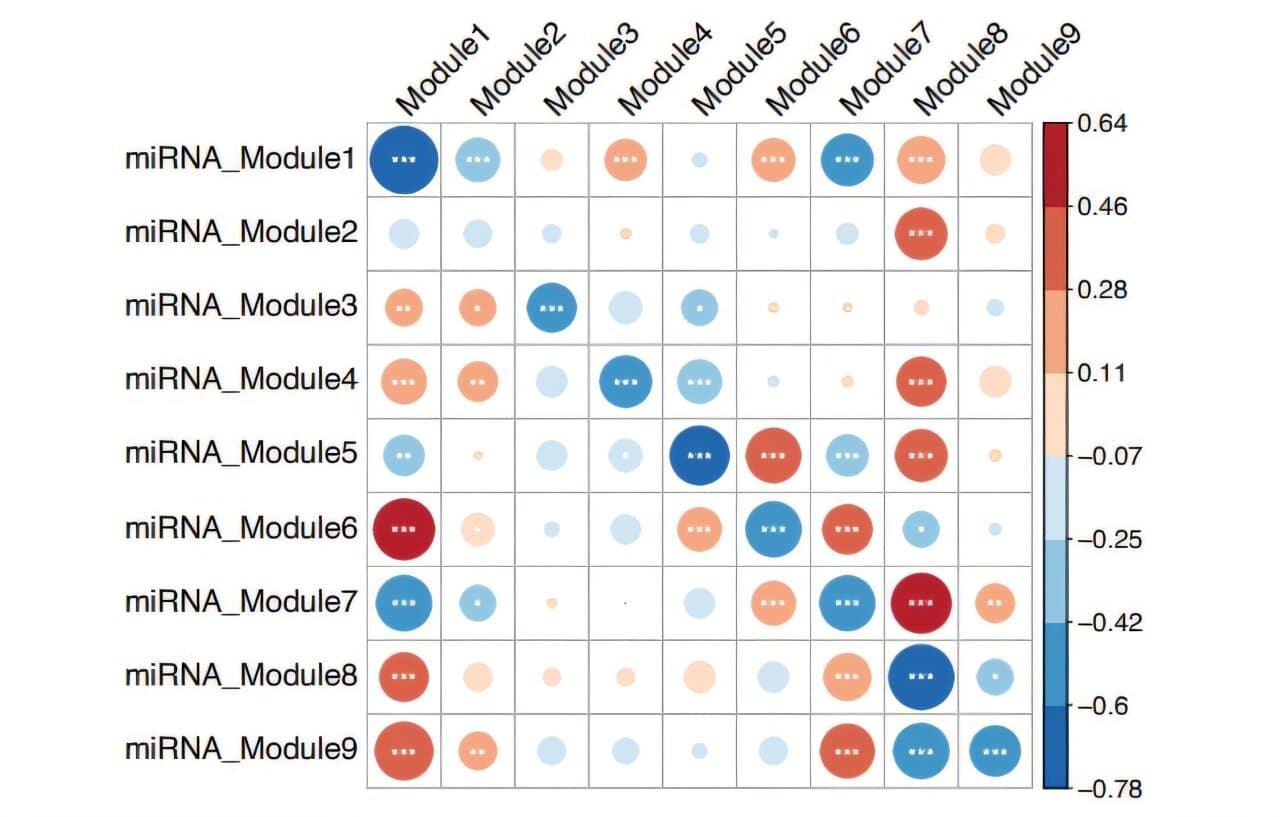
Corresponding author Jennifer Beane, an associate professor of medicine at Boston University, led the analysis of 167 bronchial biopsies collected from 30 patients at Roswell Park Comprehensive Cancer Center. Using RNA sequencing and miRNA sequencing, the team quantified gene and microRNA expression across lesions of varying severity.
The standout finding was a consistent inverse relationship between miR-149-5p and NLRC5. In more severe, progressive lesions, miR-149-5p was significantly more abundant, while NLRC5, a master regulator of genes involved in antigen presentation, was correspondingly suppressed. Antigen presentation is the process by which cells display fragments of their internal proteins on their surface, flagging abnormal cells for destruction by the immune system. When NLRC5 is dialed down, the cell effectively goes dark to immune surveillance.
Fewer Immune Cells Where They Are Needed Most
Spatial analyses confirmed the functional consequence: in biopsies where miR-149-5p was high and NLRC5 was low, fewer immune cells were found in close proximity to the abnormal airway epithelial cells. The immune system was not absent from the tissue, it was simply not engaging with the cells most in need of scrutiny.
This finding suggests that immune evasion begins far earlier in the path to cancer than previously appreciated. The lesion does not need to become a full-blown tumor to start hiding. The molecular groundwork for escape is laid while the tissue still looks, to a pathologist's eye, merely suspicious.
Clinical Implications
Beane emphasizes the translational potential: "Identifying lesions most likely to progress before invasion could reduce lung cancer mortality." If miR-149-5p levels can be measured in bronchial biopsies or even in less invasive samples such as nasal brushings or sputum, clinicians could stratify patients into high-risk and low-risk groups and tailor surveillance accordingly.
For high-risk patients, the discovery also opens therapeutic avenues. If miR-149-5p is driving immune evasion, then blocking it, either with antisense oligonucleotides or by restoring NLRC5 expression, could re-expose premalignant cells to immune attack. Combined with checkpoint immunotherapy, such an approach might prevent cancer from ever forming rather than treating it after it has established itself.
Limitations and Next Steps
The study's relatively small patient cohort of 30 individuals means that larger validation studies are needed before miR-149-5p can be used as a clinical biomarker. The team also notes that microRNAs rarely act in isolation, and miR-149-5p likely participates in a broader regulatory network that remains to be fully mapped.
Nonetheless, the work adds a critical piece to the puzzle of early lung carcinogenesis. By showing that immune evasion precedes invasion, it shifts the window of opportunity for intervention further upstream, to a stage where the disease may still be reversible.