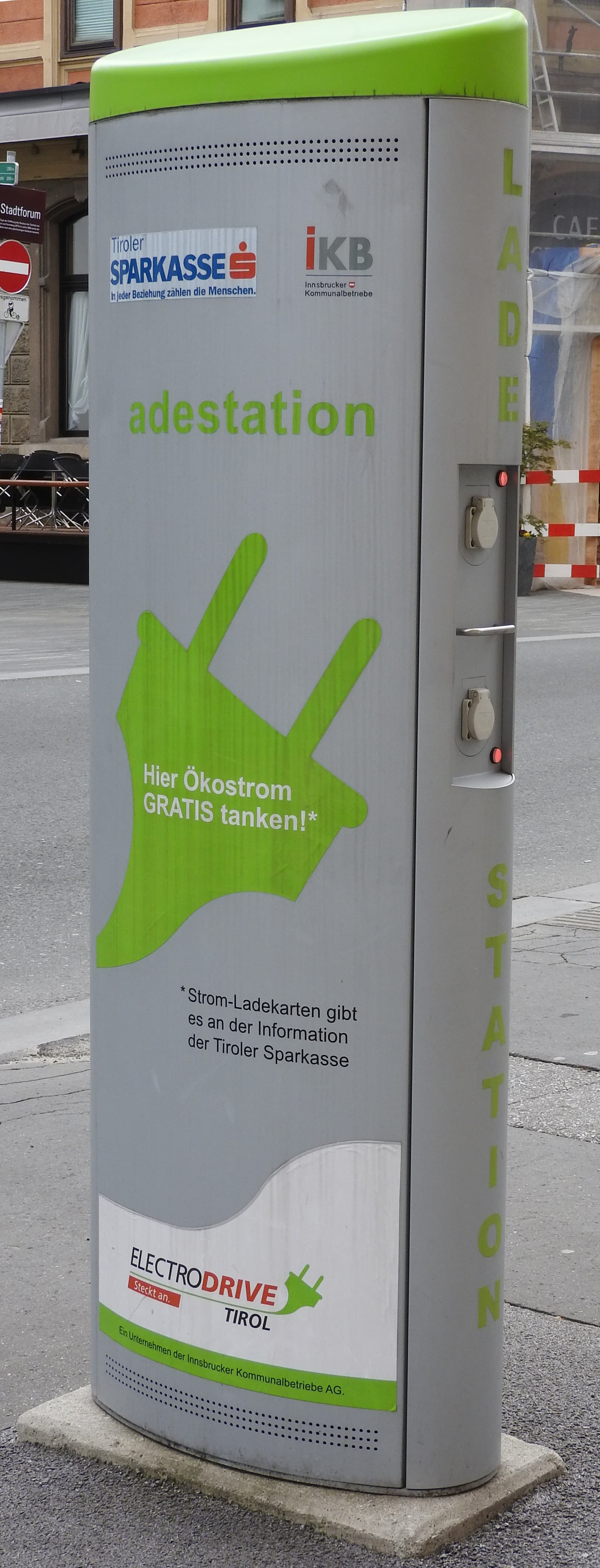
Britain Is About to Get a Lot More EV Chargers
The United Kingdom is embarking on one of its most ambitious electric vehicle infrastructure projects to date, with plans to deploy 10,000 new public charging points across the country. The initiative, which combines government funding with private sector investment, represents a significant acceleration in Britain's efforts to build the charging network needed to support its 2035 ban on new petrol and diesel car sales.
The announcement comes at a critical moment for the UK's EV transition. While EV sales have been growing steadily — electric cars accounted for roughly one in four new car registrations in 2025 — the availability of public charging infrastructure has not kept pace. According to industry data, the UK currently has approximately 70,000 public charge points, but their distribution is heavily skewed toward London and the Southeast, leaving large swathes of the country, particularly rural areas and the North of England, underserved.
Where Will the Chargers Go?
The 10,000 new charging points are explicitly targeted at areas where coverage gaps are most acute. Rather than adding more chargers to London, which already has a relatively dense network, the plan prioritizes:
- Rural communities: Small towns and villages that currently have few or no public chargers, making EV ownership impractical for residents who lack off-street parking for home charging
- Major motorway corridors: Key routes connecting major cities where existing rapid charging facilities are frequently occupied, leading to queues and frustration during peak travel periods
- Council estate and social housing areas: Neighborhoods where residents typically park on the street and cannot install private home chargers, creating a significant equity barrier to EV adoption
- Tourist destinations and national parks: Popular visitor destinations where the arrival of electric vehicles is increasing demand for charging infrastructure that does not yet exist
The Technology Mix
Not all 10,000 chargers will be created equal. The plan includes a mix of charging speeds designed to serve different use cases:
Approximately 2,000 units will be ultra-rapid chargers rated at 150 kilowatts or above, capable of adding 100 miles of range in under 15 minutes. These will be deployed primarily at motorway service stations and major transport hubs where drivers need fast turnaround times.
Another 3,000 units will be rapid chargers in the 50 to 100 kilowatt range, suitable for destination charging at supermarkets, shopping centres, and town centre car parks where drivers typically stop for 30 minutes to an hour.
The remaining 5,000 units will be slower chargers in the 7 to 22 kilowatt range, deployed on residential streets, in council car parks, and at workplaces. While these chargers take longer to deliver a full charge, they are significantly cheaper to install and operate, making them the most cost-effective way to serve drivers who park for extended periods.
Funding and Partnerships
The project is being funded through a combination of public money and private investment. The UK government is contributing directly through its Local Electric Vehicle Infrastructure (LEVI) fund and the Rapid Charging Fund, which together provide hundreds of millions of pounds in grants and loans to local authorities and charging operators.
However, the majority of the capital is expected to come from private charging companies, several of which have announced significant expansion plans. Major operators including BP Pulse, Gridserve, Osprey, and Connected Kerb have committed to deploying thousands of new chargers over the next two years, leveraging both private investment and government subsidies.
The Local Authority Challenge
One of the most significant obstacles to rapid charger deployment in the UK has been the complexity of working with local authorities. Installing chargers on public land requires planning permission, agreements with local councils, upgrades to the electricity grid, and coordination with highways departments — a process that can take 12 to 18 months even for straightforward installations.
The government has announced measures to streamline this process, including standardized planning frameworks for EV chargers, dedicated funding for local authority EV teams, and new powers that allow charger installations to proceed under permitted development rights without full planning applications. These administrative reforms may ultimately prove as important as the funding itself in accelerating deployment.
Grid Capacity: The Hidden Bottleneck
Perhaps the most significant technical challenge facing the 10,000-charger plan is the capacity of the electricity grid. Rapid and ultra-rapid chargers draw enormous amounts of power — a single 150kW charger draws as much electricity as approximately 60 homes — and the local distribution network in many areas simply cannot support that load without expensive upgrades.
The government and the electricity distribution network operators have been working on solutions, including the deployment of battery storage at charging sites to buffer demand, smart charging systems that manage load to avoid overwhelming local transformers, and expedited grid connection processes for charging infrastructure.
Battery buffering is particularly promising. By installing a large battery alongside a bank of rapid chargers, the site can charge the battery slowly from the grid during off-peak hours and then discharge it rapidly when vehicles need charging. This approach can allow ultra-rapid charging even in locations where the grid connection would otherwise be insufficient.
Impact on EV Adoption
Surveys consistently show that the availability of public charging infrastructure is the second-most-cited barrier to EV adoption in the UK, after purchase price. By significantly expanding the network — and critically, by doing so in areas that have been left behind in the initial rollout — the government hopes to accelerate the transition and make EV ownership viable for a broader demographic.
The plan also addresses a growing political concern. As the 2035 ban approaches, there is increasing public anxiety about whether the country will actually be ready. The visibility of 10,000 new charging points will serve a psychological function as well as a practical one, demonstrating that the infrastructure is being built and that the transition is real.
What Success Looks Like
If the 10,000 chargers are deployed on schedule, the UK will have approximately 80,000 public charge points by the end of 2027. While this is still below the estimated 100,000 to 150,000 points needed to comfortably support the 2035 ban, it represents significant progress and will close many of the most problematic geographic gaps in the current network.
For British drivers considering their next car purchase, the message from Westminster is unambiguous: the infrastructure is coming. The question is whether it will arrive fast enough.