A Three-Day Walkout Across Two Countries
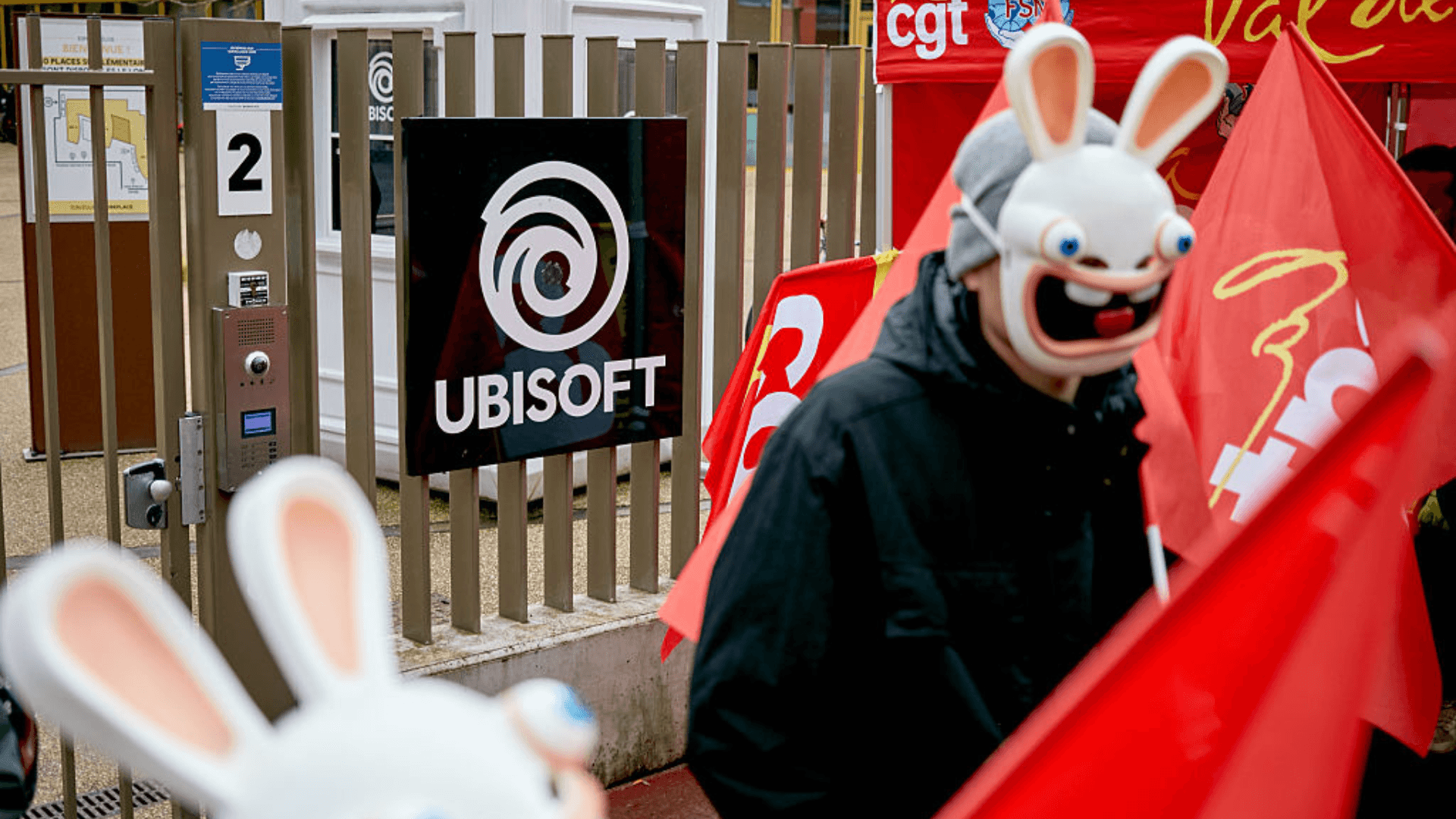
More than 1,200 Ubisoft employees in France and Italy walked off the job this week in a coordinated three-day strike that began on February 10, marking one of the largest organized labor actions in the European gaming industry in recent memory. The walkout was a direct response to the French publisher's January announcement of a sweeping corporate restructuring that included the cancellation of six games, additional studio closures, and a mandatory five-day return-to-office policy that unions describe as deliberately punitive.
The strike was organized by five French unions -- the CFE-CGC, CGT, Printemps Ecologique, Solidaires Informatique, and the Syndicat des Travailleureuses du Jeu Video (STJV) -- with support from workers at Ubisoft Milan. In a joint statement shared on Bluesky, the unions accused management of informing employees about the restructuring at the same time as the press, bypassing mandatory consultations with works councils that had taken place just days earlier.
Years of Cuts Reach a Breaking Point
The strike did not emerge in a vacuum. Ubisoft has been on a sustained cost-cutting trajectory for years, reducing its global headcount from nearly 21,000 in 2022 to approximately 17,100 by November 2025. That downsizing has included the closure of studios in Halifax and Stockholm, along with layoffs at facilities in Abu Dhabi and at the Massive Entertainment studio. The January restructuring accelerated the trend, with the company announcing a voluntary departure plan at its Paris headquarters targeting roughly 200 additional positions.
Among the six cancelled titles was the long-troubled Prince of Persia: The Sands of Time remake, a project that had been delayed repeatedly and became a symbol of the company's broader development struggles. The restructuring was framed by Ubisoft leadership as necessary to improve both growth prospects and financial performance, but the company's stock told a different story: shares plummeted by at least 39 percent following the announcement and had not recovered three weeks later.
The Return-to-Office Flashpoint
While job cuts drove the initial outrage, the mandatory five-day return-to-office policy has become an equally potent source of employee anger. The unions characterized the policy as part of a broader pattern of "coercive control" and an "anti-remote-work obsession" designed not to improve productivity but to make working conditions unpleasant enough that employees voluntarily resign -- allowing the company to reduce headcount without bearing the financial responsibility of formal layoffs.
The accusation carries particular weight in France, where labor protections are robust and companies face significant legal and financial obligations when conducting mass layoffs. By making conditions intolerable, the unions argue, Ubisoft's management is attempting to circumvent those protections. "We are not fooled," the unions wrote. "Rather than taking financial responsibility for layoffs, they prefer to push us out by making our working conditions unbearable."
AI Investment Adds Insult to Injury
Adding fuel to the fire, Ubisoft's restructuring announcement included a commitment to "accelerated investments behind player-facing Generative AI" -- a detail that was not lost on employees watching colleagues lose their jobs. The juxtaposition of human layoffs and AI investment has become a recurring flashpoint across the tech and creative industries, but it carries particular resonance in game development, where artists, writers, and designers see generative AI as a direct threat to their livelihoods.
The broader context makes this strike significant beyond Ubisoft's own walls. The gaming industry has experienced an unprecedented wave of layoffs since 2023, with tens of thousands of jobs eliminated across major publishers and studios. Unionization efforts have accelerated in response, particularly in Europe, where legal frameworks give workers more leverage. Whether the Ubisoft walkout leads to meaningful concessions or becomes another data point in a worsening labor relations landscape will depend on how management responds -- and whether other studios' workforces take notice.