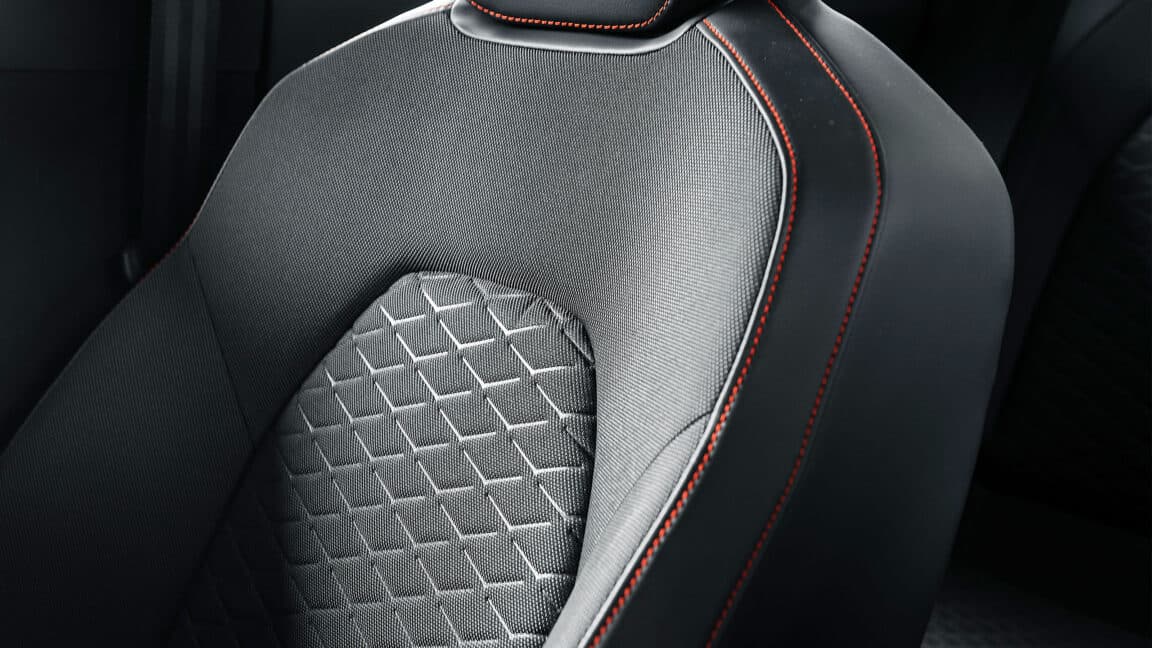
Rethinking What Luxury Feels Like
The unmistakable scent of fresh leather has long been the olfactory signature of automotive luxury, but a growing number of premium automakers are betting that the future of high-end interiors belongs to cashmere, wool, and advanced textiles. The shift challenges one of the most deeply entrenched assumptions in the automotive world — and American buyers may be the last to get the memo.
The case for textile interiors gained significant momentum after BMW debuted its i7 flagship sedan in 2022 with an optional premium cashmere wool interior that stunned automotive journalists and luxury consumers alike. Available through BMW's Individual customization program, the cashmere upholstery blends contrasting dark grey cashmere panels with Merino leather seating surfaces, creating an interior that feels more like a bespoke suit than a traditional car cabin. The option commands a premium of roughly 11,000 euros in European markets, positioning it as one of the most expensive interior choices in the entire 7 Series lineup.
Europe Gets the Best Options — America Does Not
The frustrating reality for American consumers is that many of the most compelling textile alternatives are simply not available in the United States. Both the BMW iX3 and the Audi A6 offer sophisticated textile interior options in European markets that cannot be ordered stateside. American configurators for these vehicles default to leather or synthetic leather as the only choices, leaving buyers who might prefer premium fabrics with no recourse.
This is not a manufacturing limitation but a market perception issue. American buyers have been conditioned for decades to associate leather with quality and luxury, while European and Asian markets have proven more receptive to alternative materials. BMW Group's own forecasting from 2022 predicted growing demand for vegan and leather-free interiors, particularly in the U.S., China, and Europe — yet U.S. dealer networks have been slow to stock vehicles with non-leather trims.
Volvo has arguably gone furthest in embracing the shift. The Swedish automaker's EX90 electric SUV offers a Woolmark-certified wool blend upholstery as a premium option alongside Nordico, a synthetic material made from recycled PET bottles and bio-attributed materials sourced from Swedish and Finnish forests. Volvo has framed the move as a fundamental reimagining of automotive luxury, leaving behind what the company calls "old-fashioned" notions of premium interiors.
The Weight Argument That Engineers Love
The appeal of textile interiors extends well beyond aesthetics and sustainability. Legendary automotive designer Gordon Murray, best known for creating the McLaren F1 — widely considered one of the greatest supercars ever built — has long advocated for wool in car interiors on engineering grounds. Murray reasoned that if wool was good enough for the finest bespoke suits and overcoats, it was more than adequate for a car interior, and offered a meaningful weight savings over treated animal hides.
In an era of electric vehicles where every kilogram affects range, that weight argument carries new urgency. Leather interiors require substantial processing, chemical treatment, and structural reinforcement that adds mass. High-quality woven textiles can deliver comparable durability at a fraction of the weight, a trade-off that EV engineers find increasingly attractive.
BMW's own journey reflects the broader industry trajectory. The automaker's SensaTec synthetic material has become its most widely sold interior option globally, not because buyers are settling for less, but because the material's performance, appearance, and maintenance characteristics have reached a level that many customers genuinely prefer. The company's Veganza material takes the concept further, offering a leather-like feel without any animal products.
A Cultural Shift Still in Progress
The transition away from leather is unfolding unevenly across the global automotive market. Mini, BMW's subsidiary brand, dropped animal leather entirely starting with the 2023 Cooper, signaling a generational shift in how younger buyers define premium quality. Meanwhile, brands like Mercedes-Benz and Porsche continue to offer extensive leather options while quietly expanding their textile and synthetic portfolios.
For American buyers who are ready to embrace the change, the message from European automakers is clear: demand the options. Until U.S. market demand catches up with the innovation happening in European showrooms, American configurators will continue to default to cowhide — even as the world's most discerning automotive designers have already moved on to something better.


