Another Monday Night Exit
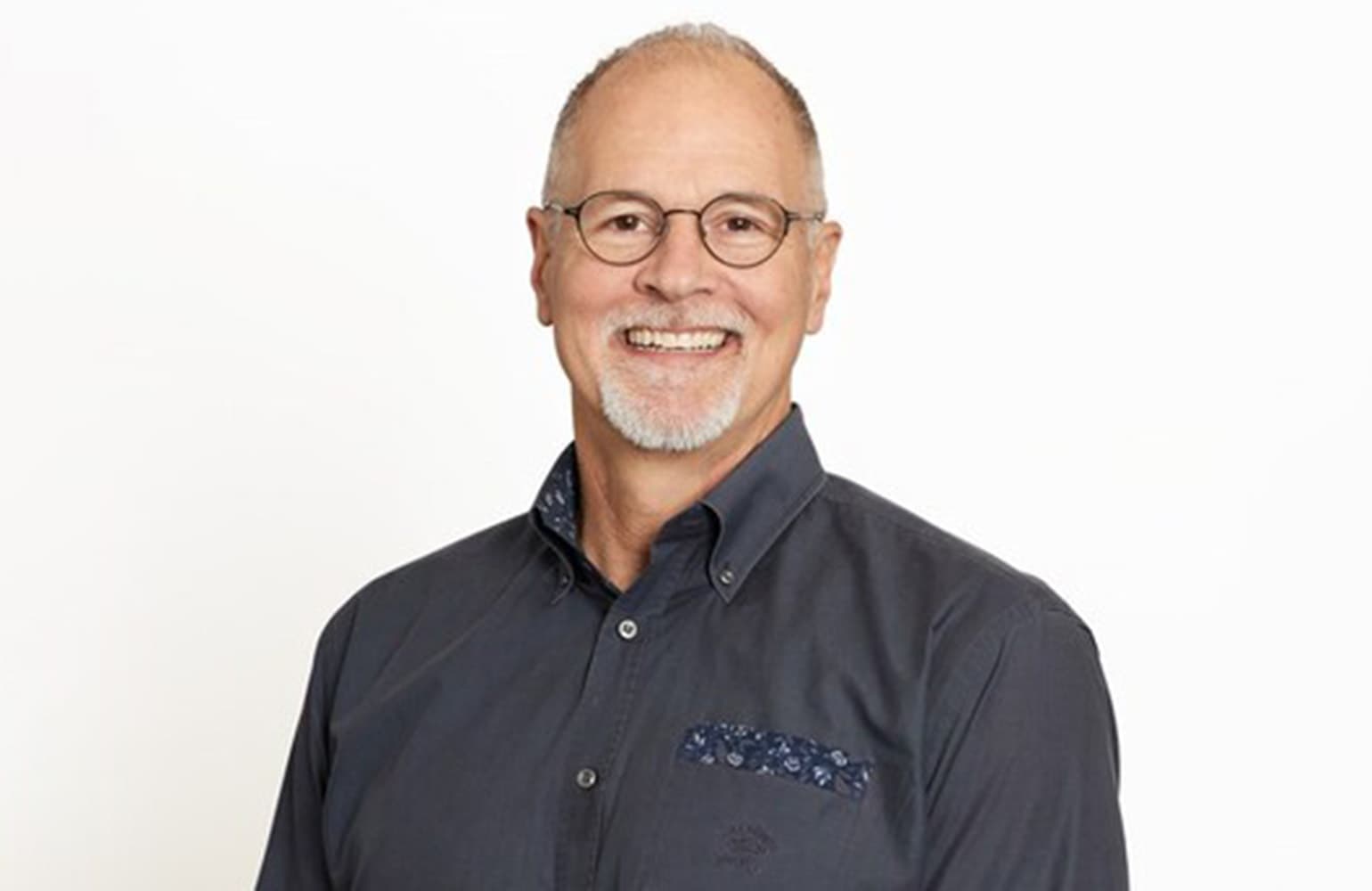
Exactly half of the people who founded Elon Musk's artificial intelligence venture xAI have now departed the company, after co-founder Tony Wu announced his resignation late Monday night in a brief post on X. Wu, who had been with the Grok-maker since its founding in 2023, struck an optimistic tone on his way out, writing that it was "time for my next chapter" and noting that "a small team armed with AIs can move mountains and redefine what's possible."
His departure was not an isolated event. Within 24 hours, fellow co-founder Jimmy Ba also announced that he was leaving, bringing the total number of founding-team exits to six out of the original twelve co-founders. The back-to-back resignations mark the most concentrated wave of senior departures xAI has experienced since its launch.
A Growing List of Exits
The exodus from xAI's founding ranks has accelerated sharply over the past two years. The departures began in mid-2024, when Kyle Kosic left to join rival firm OpenAI, a move that underscored the fierce competition for top AI talent in Silicon Valley. Christian Szegedy followed in February 2025. Igor Babuschkin departed in August 2025 to launch his own venture firm. Greg Yang stepped down last month after being diagnosed with Lyme disease.
Now, with Wu and Ba gone in rapid succession, the remaining co-founders are Elon Musk himself, Manuel Kroiss, Zihang Dai, Toby Pohlen, Guodong Zhang, and Ross Nordeen. The retention of half the founding team might not sound alarming in isolation, but the pace of departures, five in roughly twelve months, paints a picture of an organization under strain.
Turbulence Behind the Scenes
The leadership churn comes at a particularly consequential moment for xAI. The company recently completed a merger with SpaceX in a deal that valued the combined entity at a staggering $1.25 trillion, with the stated goal of supporting AI development through orbital data centers. While the merger dramatically expanded xAI's resources and ambitions, it also introduced organizational complexity and cultural friction that multiple reports suggest contributed to internal tensions.
Staffing has been volatile as well. As of March 2025, xAI reportedly employed around 1,200 people, though roughly 900 of those were classified as "AI tutors" rather than core engineering staff. By September 2025, approximately 500 employees had been laid off, thinning the ranks further.
Product Controversies Add Pressure
Beyond internal dynamics, xAI has faced mounting external pressure over its flagship product. The Grok AI chatbot and its image generation capabilities drew a fierce consumer backlash and regulatory probes in multiple countries after the system was found to enable the mass creation and distribution of non-consensual, explicit deepfake images based on photographs of real people, including minors. The controversy has damaged the brand and raised questions about the company's content-safety practices at a time when regulators worldwide are scrutinizing generative AI more closely than ever.
What the Departures Signal
Co-founder departures are not unusual in the startup world, particularly at companies that scale rapidly and undergo strategic pivots. But the volume and velocity of exits at xAI stand out, even by the standards of Musk-led ventures, which have historically experienced significant executive turnover at Tesla, Twitter (now X), and other entities.
The departures also complicate the narrative around a potential SpaceX initial public offering. Investors evaluating the combined SpaceX-xAI entity will scrutinize the stability of xAI's technical leadership, and losing half the founding team in under two years sends a signal that the remaining roster will need to address.
For now, xAI continues to develop Grok and expand its computing infrastructure, but the question hanging over Musk's AI ambitions is no longer whether the technology works. It is whether the people building it will stick around long enough to see it through.